A Prayer for Strength and Justice: Finding Emaan in Turbulent Times
1/25/20267 min read

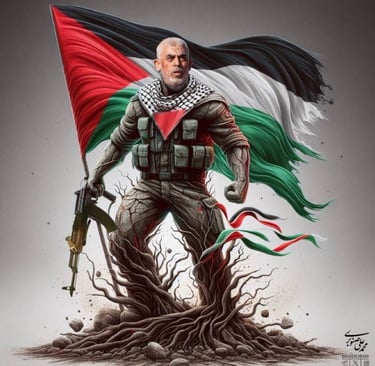
Understanding Emaan and Its Significance
Emaan, or faith, is a foundational concept in Islamic teachings that encompasses more than mere belief; it signifies trust and reliance on Allah. In the context of daily life, emaan represents an inner strength and assurance that helps individuals navigate the complexities of existence. At its core, emaan is anchored in the belief in the oneness of God (Tawhid), the prophethood of Muhammad (peace be upon him), and the existence of angels, scriptures, and the Day of Judgment. These core beliefs collectively create a framework within which Muslims can find purpose and resilience.
The components of emaan extend beyond intellectual acknowledgment; they encompass heartfelt convictions and actions that reflect an individual's relationship with Allah. This triad of belief, emotion, and practice creates a robust foundation for resilience in the face of challenges. When Muslims embody emaan, they develop a sense of patience (sabr) and gratitude (shukr), which serve as powerful tools in overcoming life's adversities. The Quran frequently reminds believers of the significance of steadfast faith, particularly in times of trial, emphasizing that Allah is always present to provide assistance.
Moreover, the strength derived from emaan is not limited to personal hardships; it extends to community challenges, allowing individuals to stand firm in advocating for justice and supporting those in need. This interconnectedness highlights the communal aspect of emaan, fostering a collective spirit of hope and solidarity among Muslims. Thus, through the lens of emaan, believers are encouraged to face adversities with courage and conviction, reinforcing their resolve to maintain justice and righteousness in an often turbulent world.
The Role of Strength and Courage in Adversity
In times of adversity, strength and courage emerge as vital qualities that enable individuals to confront and navigate the challenges posed by the world around them. These qualities can take many forms, encompassing emotional resilience, spiritual fortitude, and psychological robustness. Together, they empower people to rise above their circumstances and advocate for justice, even in the face of oppression.
Emotional strength is often the first line of defense against hardship. It involves the ability to process and manage one’s feelings when confronted with distressing situations. For instance, individuals experiencing societal injustices may draw upon their emotional reserves to maintain hope and determination. Through emotional strength, one can approach challenges with a level-headed perspective, allowing for informed decision-making and constructive responses rather than despair or withdrawal.
Spiritual strength serves as another cornerstone of resilience. This form of strength is often rooted in one's beliefs and values, providing a sense of purpose and belonging. During turbulent times, many find solace in practices such as prayer, meditation, or community engagement. These activities foster a connection to a higher power or collective consciousness, reinforcing the conviction that individuals are not isolated in their struggles. This connection can inspire actions that deter injustice, as it reminds individuals of their shared humanity.
Psychological strength complements both emotional and spiritual dimensions, encapsulating traits such as perseverance and adaptability. An individual equipped with psychological strength can face overwhelming odds and respond to setbacks as opportunities for growth. For example, those who stand against systemic injustices often rely on their psychological endurance to persist in their advocacy, even when the odds appear unfavorable.
The Palestinian Struggle: A Call for Awareness
The Palestinian struggle is a multi-faceted issue rooted in a complex history that continues to evolve. Since the early 20th century, the Palestinian people have faced ongoing conflict and displacement, leading to a humanitarian crisis that persists today. The establishment of the State of Israel in 1948 marked a significant turning point, resulting in the displacement of a large number of Palestinians, a period which is often referred to as the Nakba, or "catastrophe." This initial conflict set the foundation for enduring tensions that have manifested in various forms over the decades.
Today, the plight of the Palestinian people is characterized by territorial disputes, economic hardship, and significant restrictions on their freedom of movement. The ongoing conflict has led to military interventions, blockades, and significant loss of life and livelihood. Over the years, numerous peace efforts and negotiations have aimed to resolve these issues; however, a lasting solution remains elusive. The current situation in the Gaza Strip is particularly dire, marked by limited access to essential resources like food and medical care, compounded by blockades and military actions.
The humanitarian issues resulting from these conflicts are profound and call for global awareness and action. It is essential that the international community remains informed about the realities faced by Palestinians, including the impact of policies and actions that exacerbate their suffering. Raising awareness about the Palestinian struggle is crucial not only for mobilizing support but also for fostering dialogue and understanding. Ignoring these issues does not only neglect the human rights of Palestinians but also impedes any realistic pathway toward justice and peace. Thus, it is imperative to approach the topic of Palestinian hardship with empathy, recognizing the need for solidarity and support in their pursuit of justice and resilience.
The Power of Words: Speaking Truth to Power
In today’s complex society, the ability to leverage words effectively can bring about significant change. Constructive dialogue has the power to address social injustices and challenge oppressive systems. Advocacy for justice through communication is essential in promoting awareness and driving action. This can take many forms, each with its unique impact and reach.
Social media campaigns represent a contemporary and influential method by which individuals can express their concerns and evoke change. Platforms such as Twitter, Instagram, and Facebook allow voices to be amplified, reaching diverse audiences far beyond local communities. Using hashtags, sharing personal experiences, and mobilizing support for various causes creates a widespread conversation that fosters awareness among the public, compelling them to reassess their views on issues such as racial equality, gender rights, and more.
Public speaking is another effective tool for challenging oppression. Individuals can engage audiences by articulating their perspectives, sharing stories of resilience, and highlighting injustices. Whether at rallies, community gatherings, or forums, powerful storytelling captivates listeners and encourages them to reflect on their beliefs and actions. The eloquence and passion in their words can inspire collective movements toward justice.
Furthermore, community engagement plays a crucial role in advocacy. Individuals can join or establish local organizations that focus on social justice, fostering environments where discussions can thrive. By attending workshops, participating in discussions, or volunteering, community members unite their voices for a common cause, amplifying the message of justice. Such collaborative efforts underscore the potential of collective action and underline the necessity of standing against oppression.
In conclusion, the power of words cannot be underestimated in the pursuit of justice. Constructive dialogue, whether through social media, public speaking, or community involvement, serves as a potent tool to challenge and dismantle oppressive systems. It is through these engagements that individuals not only find strength in solidarity but also pave the way for meaningful change.
Seeking Justice: The Role of Activism in the Modern World
Activism plays an essential role in advocating for justice and equity, particularly for marginalized communities globally. In recent years, movements supporting Palestine have highlighted the importance of grassroots efforts, which serve as foundational elements in the pursuit of social justice. Grassroots activism empowers individuals and communities to mobilize resources from within, fostering an environment of solidarity and collective action.
One prevalent form of activism is peaceful protest, which allows individuals to voice their concerns and demands for justice. Peaceful protests, rallies, and demonstrations are vital for raising awareness about the plight of communities facing oppression. Such gatherings not only amplify the voices of those directly affected but also invite broader public engagement and solidarity. They serve as a powerful reminder that social change often begins with the courage of individuals willing to stand united for a common cause.
In the digital age, technology has transformed how activism is conducted. Social media platforms play an increasingly significant role in mobilizing support and disseminating information. Activists can leverage these tools to share stories, showcase injustices, and build networks of support beyond geographical boundaries. Hashtags, online campaigns, and viral content have become essential components of modern activism, enabling marginalized voices to reach a global audience and foster international solidarity.
Furthermore, individuals can engage in activism by supporting organizations that advocate for justice and human rights. This support can materialize through volunteering, donations, or amplifying their campaigns on social media. There are numerous ways to contribute, whether participating in local initiatives or supporting international efforts. By staying informed and taking proactive steps, every individual can play a part in the collective strive for justice.
Harnessing Faith for Collective Action
Faith holds immense power in uniting individuals, particularly in the pursuit of justice. The shared belief in higher principles can galvanize communities, acting as a catalyst for collective action. When individuals come together in prayer, they not only seek divine intervention but also strengthen their bonds, creating a unified front against injustice. Such collective prayers serve as a powerful reminder of the values that individuals uphold, fueling their determination to strive for a just society.
The role of community support cannot be overstated in this context. When faith communities engage in collective prayer and action, they amplify their voices, demonstrating a united commitment to addressing social issues. For instance, gatherings for prayers or vigils can shed light on pressing concerns, attracting attention from the broader society and influencing public discourse. This collective action can lead to a greater awareness of injustices that may otherwise remain unnoticed.
In essence, harnessing faith for collective action transforms individual beliefs into a communal pursuit, aligning the aspirations of many towards a singular objective: justice. This process emphasizes many religious teachings that advocate for justice, compassion, and solidarity. Such unity manifests in various forms, including organized demonstrations, community service initiatives, or social justice campaigns that seek to address systemic inequalities.
Moreover, this collective action can inspire further involvement, encouraging those who may have been reluctant to participate to join the cause. When individuals witness the impact of shared faith and action, they become motivated to contribute. This sense of belonging and shared purpose enables communities to persist in their efforts despite challenges, drawing strength from their faith and each other.
A Vision for the Future: Hope Amidst Struggle
In times characterized by adversity and uncertainty, the significance of maintaining hope cannot be overstated. For generations, communities such as those in Palestine have faced seemingly insurmountable challenges, yet it is within these struggles that resilience is often forged. The belief in a just resolution inspires individuals and collectives alike to persevere. This unwavering faith in a future marked by justice and peace is paramount, promoting a vision that transcends current hardships.
Hope acts as a catalyst for action. It encourages individuals to rise above their circumstances, fostering a sense of purpose and commitment. The notion that struggles today may lead to a brighter tomorrow fuels the human spirit, allowing for a collective push toward healing and harmony. Acknowledging the pain of the past does not preclude the pursuit of a hopeful future; rather, it provides context and motivation for change.
As efforts for reconciliation and understanding continue, the strength drawn from hope becomes even more critical. It serves not only as an emotional refuge but also as a pragmatic force for change. By believing that justice is possible, individuals can unite and advocate for their rights, creating a ripple effect that promotes peace far beyond their immediate environment. Education, dialogue, and shared experiences are crucial in this journey, cultivating an atmosphere where empathy thrives.
Thus, as we look ahead, it is essential that we nurture our belief in a just future. This vision for peace and healing is not merely a dream but a tangible goal. Through kindness, mutual support, and collective action, we can make strides toward a world where hope flourishes, reminding us that even in the darkest times, the light of justice and peace can shine through.
rizwan@muznagroup.com
© 2025. All rights reserved.