The Sinking of the USS Abraham Lincoln: Implications and Alternatives
3/2/20268 min read
Introduction to the USS Abraham Lincoln
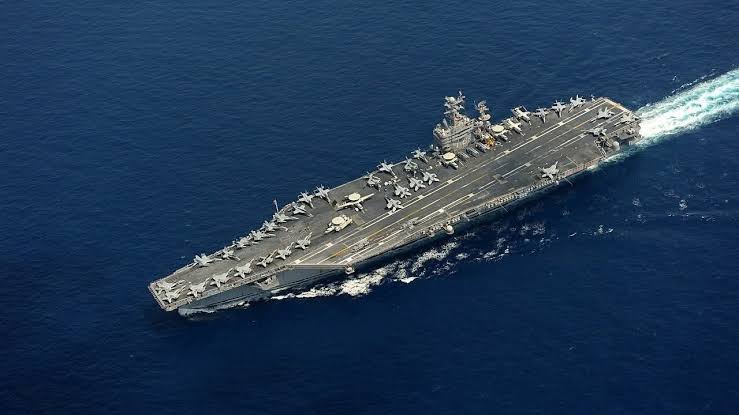
The USS Abraham Lincoln (CVN-72) is a Nimitz-class aircraft carrier that has played a pivotal role in the United States Navy since its commissioning in 1989. Named after the 16th President of the United States, Abraham Lincoln, the carrier embodies a critical aspect of U.S. naval operations, being integral to showcasing American military presence across global waters.
With a displacement of approximately 97,000 tons and a length of 1,092 feet, the USS Abraham Lincoln is equipped with advanced technological systems making it one of the largest naval vessels in the world. The carrier's operational capabilities include carrying around 90 aircraft, including fighter jets, surveillance planes, and helicopters, all launched from its flight deck. This impressive array of aircraft allows the USS Abraham Lincoln to execute a variety of missions ranging from air superiority to ground support, critical in addressing modern warfare's diverse challenges.
Throughout its service, the USS Abraham Lincoln has participated in numerous military engagements, humanitarian missions, and multinational exercises, reflecting its significance in enhancing national security. Notably, the carrier played a crucial role during the Gulf War, where it launched air strikes against Iraqi forces, demonstrating its ability to project power across great distances. Its contributions continued during Operation Enduring Freedom, supporting combat operations in Afghanistan and ensuring maritime security in the region.
As the USS Abraham Lincoln sails through her operational lifecycle, she remains a symbol of U.S. naval strength and adaptability, essential for maintaining peace and stability in various theaters of conflict. The carrier's history and specifications highlight its strategic importance within the framework of American naval operations and underscore the need for continuous evolution in response to emerging global challenges.
Timeline of Events Leading to the Sinking
The story of the USS Abraham Lincoln begins with its significant strategic role in various naval operations. In the months leading up to its tragic sinking, the aircraft carrier was engaged in a series of operations in the tense waters of the South China Sea. These missions included joint exercises with allied nations, aimed at enhancing regional security and demonstrating robust military capabilities. During this time, geopolitical tensions in the region were escalating due to territorial disputes, notably between China and neighboring countries.
By early January 2023, the situation intensified following China's increased military activity in the contested waters. In response, the USS Abraham Lincoln, along with its strike group, was directed to maintain a persistent presence in the area, which resulted in heightened naval encounters. Throughout January and February, these operations involved patrolling and surveillance flights, aiming to provide deterrence against potential aggression.
On March 14, 2023, a critical event occurred when the USS Abraham Lincoln conducted a series of flyovers in proximity to disputed islands claimed by multiple nations. This action prompted a strong rebuke from China, escalating the ongoing military standoff. Despite the tensions, the aircraft carrier continued its mission, operating under the premise of freedom of navigation. However, the escalating hostility was palpable, with both sides conducting military exercises that raised concerns about possible confrontation.
Tragically, on March 30, 2023, the USS Abraham Lincoln was involved in a maritime incident that resulted in its sinking. A series of miscommunications and unexpected engagements escalated the crisis, leading to the catastrophic event that shocked the international community. The implications of this sinking reverberate throughout global naval strategy and highlight the precarious nature of military operations in volatile regions.
Immediate Impact of the Sinking
The sinking of the USS Abraham Lincoln represents a significant event in the context of modern military operations, with far-reaching implications for the U.S. Navy and American military strategy as a whole. The initial consequences of such an event can be summarized in terms of personnel losses and tactical setbacks that would affect ongoing and future operations.
First and foremost, the loss of the USS Abraham Lincoln, a Nimitz-class aircraft carrier, inevitably results in human casualties, with crew members facing life-threatening situations. This event not only devastates the families of those lost but can also lead to psychological repercussions for surviving personnel and their units. The impact on morale among service members can be profound, as they grapple with the difficult emotions that follow any loss of life. Supporting their mental health and resilience becomes crucial in the aftermath of such tragedies.
Additionally, the sinking creates an immediate tactical setback for U.S. military operations. The USS Abraham Lincoln was a critical asset, capable of projecting power and conducting air operations across vast regions. Its absence will likely lead to a redistribution of assets and a potential reevaluation of tactical positions in the theatres it operated. The impact on naval strategy extends beyond operational inventory; it includes considerations regarding readiness and response times, requiring an agile and responsive military leadership to adapt to these constraints.
The government and military leadership are also tasked with a response to this disaster. They must address public concerns and the need for transparency while ensuring that operational readiness and strategic stability remain intact. The establishment of immediate inquiry reviews and communication with the families of those affected forms part of the broader dialogue needed to navigate the aftermath of such a momentous event.
Long-term Implications for U.S. Naval Strategy
The sinking of the USS Abraham Lincoln carries significant long-term implications for U.S. naval strategy. As one of the foremost aircraft carriers in the U.S. Navy, its loss not only affects fleet composition but also the balance of power in critical maritime regions. The absence of such a pivotal asset necessitates a reassessment of naval capabilities and the role of carrier strike groups in future military operations.
The depletion of aircraft carriers like the USS Abraham Lincoln may compel the United States to adjust its naval presence across global theaters. With increasing tensions in areas such as the South China Sea and the Persian Gulf, U.S. naval strategy must strategically adapt to maintain deterrence and readiness. This includes evaluating the deployment patterns of remaining carriers and enhancing partnerships with allied navies to ensure regional stability amidst reduced fleet strength.
Furthermore, this pivotal event could drive advancements in alternative naval technologies, as reliance on traditional carrier groups may become less tenable. Investments may shift towards unmanned aerial systems, versatile amphibious assault ships, and other innovative maritime assets that can fulfill roles previously held by large carriers. The military may reevaluate its defense policies to accommodate a more diverse fleet that can respond effectively to both conventional and asymmetrical threats.
In conclusion, the sinking of the USS Abraham Lincoln serves as a catalyst for comprehensively rethinking U.S. naval strategy, encompassing adjustments in fleet composition, regional presence, and technological advancements. Its implications may ultimately reshape the operational landscape for the U.S. Navy, presenting both challenges and opportunities for future military engagements.
The Role of Innovation and Technology in Naval Warfare
The sinking of the USS Abraham Lincoln can serve as a pivotal moment driving innovation and technological advancement within naval warfare. In an era defined by rapid changes in combat dynamics, military organizations are compelled to rethink their strategies and incorporate cutting-edge technologies. The responses to such an event underscore the importance of innovation in addressing the evolving complexities of modern warfare.
One significant area of focus is the deployment of autonomous systems. Advanced unmanned vehicles, including surface drones and underwater robots, present numerous opportunities for enhancing naval operations. These technologies allow for safer reconnaissance missions and more efficient resource allocation, significantly reducing the risk to human personnel. As a result, military planners are increasingly likely to integrate these systems into conventional fleets, creating a multi-layered approach to naval engagements.
Furthermore, cybersecurity has emerged as a critical frontier in safeguarding naval capabilities. The threat of cyberattacks is growing, and the sinking of a prominent vessel like the USS Abraham Lincoln could prompt a reevaluation of cyber defenses. Military leaders may prioritize the development of robust cybersecurity measures to protect sensitive information and navigational systems. Ensuring resilience against cyber threats is essential for preserving operational integrity in a landscape marked by digital vulnerabilities.
In addition to these innovations, advancements in artificial intelligence (AI) stand to revolutionize decision-making processes within naval strategy. AI can analyze vast amounts of data to provide real-time insights, enhancing situational awareness and response times. Embracing these technologies could empower naval forces to react swiftly and effectively to unexpected challenges on the battlefield.
In conclusion, the implications of the sinking of the USS Abraham Lincoln extend beyond immediate operational considerations. By fostering innovation and embracing new technologies, naval forces can better adapt to the complex realities of modern warfare, ensuring that they remain capable and resilient in face of future challenges.
Alternatives to Aircraft Carriers in Modern Warfare
As military strategies evolve in response to technological advancements and shifting geopolitical landscapes, alternatives to traditional aircraft carriers, such as the USS Abraham Lincoln, have gained prominence. One significant option is the use of smaller, more agile naval vessels, including destroyers and frigates. These ships can be equipped with advanced missile systems, anti-air capabilities, and a limited number of aircraft operations, thereby offering a versatile yet cost-effective alternative. In contrast to the reliance on larger carriers, these ships can operate closer to shore and in more confined waters, enhancing their strategic utility.
An additional emerging alternative is the deployment of unmanned aircraft systems (UAS). Drones, both for reconnaissance and combat purposes, are becoming increasingly integral to modern naval operations. They can provide real-time intelligence and strike capabilities without the risks associated with manned missions. Equipped with precision guided munitions, UAS can strike targets with remarkable accuracy, thereby reducing collateral damage and operational costs. However, challenges remain regarding command and control, cybersecurity vulnerabilities, and the ethical implications of autonomous weapon systems.
Coastal defense strategies represent another important alternative, focusing on the fortification of land-based assets combined with missile defense systems. Nations are increasingly investing in advanced shore-based missile platforms designed to counter naval threats posed by enemy carriers and other vessels. Although these systems significantly enhance coastal defense capabilities, their range and effectiveness are limited compared to the offensive capabilities of traditional carriers.
Each of these alternatives presents distinct benefits and drawbacks. Smaller vessels offer operational flexibility, while UAS enhances lethality without risking pilot lives. Conversely, they may lack the comprehensive reach and sustained power projection that aircraft carriers provide. The strategic landscape necessitates a careful consideration of these alternatives, as militaries explore ways to ensure national security in an ever-evolving domain.
Conclusion and Future Outlook
The sinking of the USS Abraham Lincoln serves as a pivotal moment in the history of the U.S. Navy, underscoring not only the inherent risks associated with naval operations but also the pressing need for the service to adapt to rapidly evolving military dynamics. Throughout this blog post, we have explored the circumstances leading to the vessel's demise, as well as the broader implications for the strategic posture of the United States in an increasingly complex global landscape.
One of the key takeaways from this situation is the necessity for the U.S. Navy to reevaluate its strategies and operational frameworks. With the ascendancy of new geopolitical actors and the proliferation of advanced technologies, naval warfare is undergoing a transformation that demands innovative approaches. The reliance on traditional aircraft carriers may need to be reassessed, given their vulnerability in modern conflict scenarios.
The implications of the USS Abraham Lincoln's sinking extend beyond immediate operational concerns; they also highlight a crucial need for enhanced collaboration with allied forces. Strengthening alliances and partnerships can play a significant role in deterring aggressors while ensuring collective security in contested maritime domains. The U.S. Navy must continue to invest in synergistic efforts with its allies, leveraging shared resources and capabilities for better resilience.
Looking forward, the U.S. military must keep pace with technological advancements such as unmanned systems and enhanced cyber capabilities. These innovations provide the U.S. Navy with vital tools to mitigate risks and maintain maritime superiority. Adapting to these changes is paramount to maintaining national security in a landscape characterized by uncertainty and rapid evolution.
In summary, the sinking of the USS Abraham Lincoln serves as a cautionary tale, prompting a thorough reassessment of naval strategy and capabilities. The future of the U.S. Navy hinges on its ability to adapt and respond decisively to the emerging challenges that loom on the horizon.
rizwan@muznagroup.com
© 2025. All rights reserved.