Unraveling the Truth Behind the 2002 Godhra Carnage and Gujarat Riots: A Look at Modi, Shah, and Hindutva Involvement
INDIA
3/8/20268 min read
Understanding the Godhra Train Incident
The Godhra train incident, which occurred on February 27, 2002, stands as a critical juncture in the history of communal relations in India. The event involved an attack on the Sabarmati Express train, which was traveling from Ayodhya to Gujarat, carrying several kar sevaks (Hindu volunteers) returning from a pilgrimage site. The train was set ablaze when it was stopped at the Godhra railway station in Gujarat, leading to the tragic deaths of 59 individuals, most of whom were women and children.
On the fateful day, tensions were palpable due to the socio-political climate in Gujarat. The incident resulted from a culmination of long-standing animosities between Hindu and Muslim communities in the region. Reports indicated that a mob, allegedly comprising local Muslims, attacked the train, setting it on fire. This shocking event was portrayed by many as an act of communal violence, igniting outrage among the Hindu community.
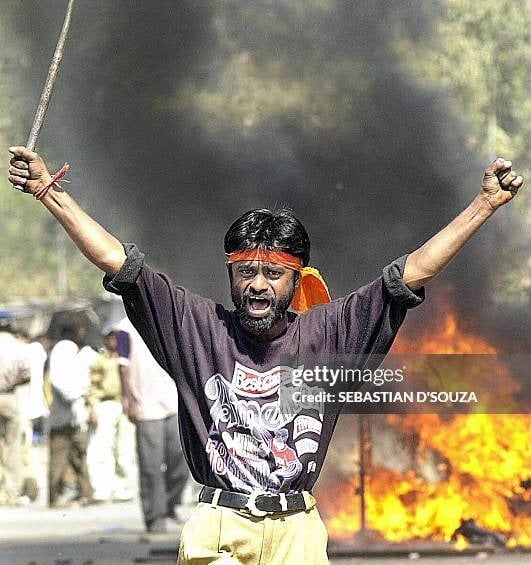
The immediate aftermath of the incident was marked by chaos and heightened communal tensions. News of the train burning spread rapidly, giving rise to violence across various parts of Gujarat. Rioting erupted, leading to a horrific cycle of communal violence that resulted in the loss of over a thousand lives, the majority of whom were Muslims. Additionally, thousands of individuals were displaced, with their homes destroyed and communities shattered.
The Godhra incident fundamentally reshaped the political landscape in Gujarat, influencing responses from state actors and political leaders. As the violence escalated, the repercussions were felt deeply across the nation, ultimately igniting debates about law and order, communalism, and the role of political entities in exacerbating or mitigating such crises. Understanding the Godhra train incident is crucial for comprehending the subsequent Gujarat riots and their impact on Indian society.
The Spark That Ignited the Gujarat Riots
The Godhra incident, which took place on February 27, 2002, serves as a significant trigger for the violence that erupted across Gujarat in the subsequent days. The burning of the Sabarmati Express, resulting in the deaths of 59 individuals, primarily Hindu pilgrims returning from Ayodhya, ignited widespread chaos and unrest. This tragic event rapidly escalated tensions between the Hindu and Muslim communities, awakening deep-seated grievances and fueling animosities. The immediate aftermath was marked by an intense emotional response from the Hindu nationalist factions, who framed the incident as an attack on their community.
In the wake of the Godhra tragedy, the reaction from both sides unfolded almost instantaneously. Hindu nationalist organizations, particularly the Vishwa Hindu Parishad (VHP) and the Rashtriya Swayamsevak Sangh (RSS), mobilized their bases, calling for a vehement response. Within hours of the incident, retaliatory violence erupted, first in Godhra and soon spreading to different parts of Gujarat. The killings, arson, and destruction of property targeted Muslim neighborhoods, and reports indicated that the violence was not spontaneous but rather systematic, as groups organized through social networks aimed to wreak havoc.
The organized nature of these riots reveals a more challenging narrative. The violence was marked by strategic targeting of Muslims, signifying involvement from various factions with specific agendas. As communities descended into violence, fear and anger became predominant forces, with each side responding to the horrors inflicted upon them. Over the days that followed, the brutality intensified, leading to an atmosphere of terror that gripped Gujarat. The escalation of retaliation from both communities painted a stark picture of a society fractured along religious lines, driven by a cycle of vengeance that took numerous lives and left lasting scars.
Role of the State: Government Machinery and Hindutva Brigades
The 2002 riots in Gujarat, which followed the Godhra train burning incident, were marked by significant state involvement, particularly under the leadership of then Chief Minister Narendra Modi. This event raised serious questions about the role of the Gujarat government and its institutions in maintaining law and order. Allegations emerged suggesting a complicity of the state apparatus in the horrific violence that ensued, implicating not just local authorities but also the broader government machinery.
Eyewitness accounts and reports compiled by various organizations pointed to failures in protecting vulnerable communities during the anti-Muslim riots. As rioters rampaged through Ahmedabad and other districts, state forces were criticized for their slow response, and, in some instances, their active participation. Testimonies from survivors revealed incidents where police forces chose to stand by as violence erupted or even collaborated with Hindutva groups, raising concerns about their commitments to impartiality and justice.
The involvement of Hindutva brigades, such as the Vishwa Hindu Parishad (VHP) and Bajrang Dal, highlighted an alarming intersection between state power and religious extremism. These groups not only incited violence but were reportedly backed by elements within the government, leading to suspicions of organized efforts to target specific minorities. Observations in the aftermath of the riots suggested that while the constitution mandates state neutrality, the behavior of the government during the events reflected an unsettling alignment with Hindutva ideologies, creating a sense of insecurity among minority populations.
Protests staged by civil rights groups and survivor organizations further illuminated the systemic issues surrounding the state's response. Calls for justice and accountability were often met with resistance, reinforcing the perception of a state apparatus that was deeply entrenched in biases, raising critical questions about the rule of law in Gujarat at that time.
Modi and Shah: Political Ambitions and Allegations
In the aftermath of the Godhra train burning incident in 2002, which ignited widespread communal violence in Gujarat, Narendra Modi and Amit Shah emerged as pivotal figures in shaping the political narrative. Modi, who was serving as the Chief Minister of Gujarat at the time, saw an opportunity to consolidate his political power amidst the chaos. His governance during the riots was marked by allegations of complicity, with critics arguing that his administration not only failed to protect minority communities but also allegedly encouraged the violence.
Amit Shah, who was a close aide to Modi and held various political positions during this period, played a crucial role in strategizing and utilizing the riots to galvanize support for the Bharatiya Janata Party (BJP). Together, Modi and Shah crafted a narrative that sought to shift blame away from their leadership while portraying the riots as a response to the violent actions of Muslims. This narrative was instrumental in consolidating Hindu support for the BJP, thereby transforming the tragedy into a platform for political gain.
As they navigated the political landscape, both Modi and Shah employed several strategies to build their image as strong leaders capable of ensuring safety and governance. By emphasizing a Hindutva ideology, they appealed to nationalist sentiments, which resonated with a significant section of the electorate. These political maneuvers not only fortified their positions within the party but also raised concerns about the socio-political implications for minority communities in Gujarat.
In crafting a narrative that framed the events of 2002 as a conflict between communities, they effectively manipulated public perception, diverting attention from allegations of state inaction and complicity. As a result, their political ambitions were significantly enhanced, laying the groundwork for their subsequent rise within national politics.
Survivor Stories: Faces of the Victims
The Godhra carnage and subsequent Gujarat riots of 2002 left a profound impact on the lives of countless individuals and communities, many of whom continue to grapple with the repercussions of the violence. Among the most poignant testimonies are those of survivors, who recount their experiences with an emotional depth that statistics alone cannot convey. These narratives serve not only to humanize the numbers associated with the tragic events but also highlight the enduring scars that such violence leaves behind.
One survivor, Aditi Patel, lost her family home during the riots. She recalls the night with vivid clarity; the flames illuminating the dark sky as chaos erupted around her. Aditi, now an advocate for peace and reconciliation, emphasizes how the trauma of that experience continues to haunt her. "The physical scars may have healed, but the emotional wounds run deep," she reflects. Her story underscores the long-term psychological impacts that such violence has on individuals, particularly those who lose loved ones or are forced to flee for their lives.
Similarly, Ramesh Kumar, who witnessed the brutal attack on his neighbors, describes the fragmented community that once thrived in harmony. The violence that unfolded shattered relationships and bred distrust among once-friendly faces. Ramesh’s tale captures the essence of division that lingers long after the actual events. He states, "Every corner of our village bears a memory from that day; it is difficult to forget the pain and division that replaced our unity."
Survivors like Aditi and Ramesh illuminate the broader narrative of the Gujarat riots, emphasizing that these are not merely historical incidents; rather, they involve real people whose lives were irrevocably altered. By amplifying their voices, we acknowledge the complex emotional landscape and the societal healing required to bridge the chasms that arose from such tragedies. Their stories remind us that empathy and understanding are vital in moving forward from the shadows of the past.
Aftermath and Legal Consequences: Justice Denied?
The aftermath of the 2002 Godhra incident and subsequent Gujarat riots revealed a deeply fractured societal landscape, significantly impacting the lives of countless individuals and communities. Following the widespread violence, various legal actions were initiated against the perpetrators, but the effectiveness of these actions raised questions about justice and accountability. Many of the cases filed resulted in prolonged legal battles, with accusations of delayed responses and systemic inefficiencies in the judicial process.
Key cases, such as those relating to the Naroda Patiya massacre and the Gulberg Society attack, drew substantial public attention and scrutiny. In these instances, several individuals were convicted; however, many others remained free, perpetuating a sentiment of injustice among many affected survivors. This uneven application of law has led to claims of political interference and biases within the judicial system, further complicating efforts towards achieving justice.
Non-governmental organizations (NGOs) played a critical role in advocating for the rights of the victims. These groups often stepped in to offer legal support, mobilize public opinion, and push for accountability. Their efforts highlighted the plight of the affected communities, yet the quest for justice remains fraught with challenges. Survivors continue to express feelings of disillusionment regarding the legal processes, with many arguing that their pain has largely been ignored and that the vindication they seek remains elusive.
The broader implications of this situation extend beyond individual cases. The handling of the Gujarat riots raised significant concerns regarding the health of Indian democracy, questioning the role of state power in protecting its citizens regardless of their religious affiliations. As communities strive for closure, the ongoing sense of injustice underscores the need for a robust and impartial legal framework capable of addressing hate crimes and ensuring accountability.
Contemporary Reflections: Lessons Learned and Future Implications
The tragic events following the Godhra incident and the subsequent Gujarat riots serve as a pivotal moment in India’s socio-political landscape. These occurrences underline the importance of fostering communal harmony and the dire consequences that arise when sectarian divides are exploited. A lasting implication of this period is the erosion of trust between communities, which poses challenges to national integration and social cohesion.
Today, the historical narratives surrounding the Godhra carnage and the Gujarat riots continue to resonate within contemporary politics, often being co-opted to serve partisan agendas. The gathering of memories and the retelling of these events interact with public sentiment, influencing voters' behavior and political discourse. To mitigate the ramifications of such narratives, there is an urgent need to cultivate a dialogue centered on truth, reconciliation, and empathy among different communities.
As citizens, organizations, and governments reflect on these past events, it is imperative to assume shared responsibility in constructing a more inclusive society. Initiatives aimed at understanding and addressing the root causes of communal violence can pave the way for healing and integration. Educational programs that foster interfaith dialogue and awareness are essential to challenge deep-rooted prejudices and create a more informed citizenry.
Furthermore, political leaders must prioritize peace-building measures over divisive rhetoric, thereby fostering an environment conducive to harmony. Engaging with history critically and compassionately is necessary; it is not just about confronting the past but also about shaping a future free from the shackles of prejudice and hatred. A collective commitment to promoting understanding and respect among communities is key to preventing the recurrence of such violence. The lessons learned from the Godhra incident and the Gujarat riots must serve as a potent reminder of the consequences of discord, highlighting the need for vigilance and proactive measures to ensure communal integrity in India.
rizwan@muznagroup.com
© 2025. All rights reserved.