Understanding the 1992 Riots: Triggers, Involvement, and Implications
3/25/20268 min read
Introduction to the 1992 Riots
The 1992 riots, also known as the Babri Masjid riots, marked a significant moment in Indian history, reverberating through its socio-political landscape. These events unfolded primarily in response to a long-standing conflict surrounding the Babri Masjid, a mosque erected in the 16th century in Ayodhya, which many Hindus believe stands on the birthplace of Lord Rama. Tensions had been mounting between Hindu and Muslim communities over this contentious site, making it a focal point of religious and political strife.
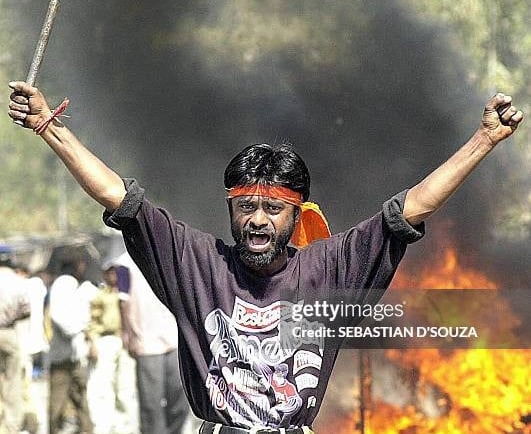
The timeline of the riots began in late 1992 when a massive mobilization by Hindu nationalist groups culminated in the demolition of the Babri Masjid on December 6. This act ignited widespread communal violence across various states in India, leading to confrontations between the two religious communities. The riots spread rapidly, with reports indicating that thousands lost their lives while others were injured, leaving a scar on the nation's collective memory.
These riots were not merely isolated incidents of civil unrest; they sparked a series of events that had profound implications for Indian politics, society, and inter-religious relations. The aftermath resulted in a significant shift in the political landscape, as parties began to adopt more polarized stances on communal matters. Moreover, the riots highlighted the vulnerability of social cohesion in a country characterized by its diversity, raising concerns about the role of political leaders in exacerbating communal tensions.
As India grapples with the ramifications of these events, it remains crucial to explore the underlying causes, the actors involved, and the collective impact on the nation’s identity. Understanding the 1992 riots provides insight into ongoing challenges faced within India's social fabric, setting the stage for deeper discussions on political and communal harmony in the years that followed.
Events Leading Up to the Riots
The 1992 riots in India were precipitated by a convergence of social, political, and religious factors that had been simmering for years. One of the pivotal incidents that led to the outburst of violence was the Ayodhya movement, which gained momentum in the late 1980s. This movement sought to construct a temple dedicated to the Hindu deity Ram at the site believed to be his birthplace, which was previously home to the Babri Masjid, a mosque constructed in the 16th century. The call for the temple resonated deeply with many Hindus, igniting communal sentiments across the nation.
The tension escalated significantly when, on December 6, 1992, a large group of Hindu activists, fueled by intense religious fervor, demolished the Babri Masjid, an event that represented not only a religious act but also a symbolic victory for the Hindu nationalist movement. This act was viewed by many Muslims as an attack on their identity and faith, further deepening the communal divide. The implication of this demolition spurred retaliatory violence, reflecting long-standing grievances within various communities in India.
Additionally, preceding the riots were a series of incidents that heightened communal tensions. Political rhetoric from various factions often leaned towards divisive narratives, fostering a climate of mistrust. Political leaders, while vocal about their support for the Ayodhya cause, inadvertently or deliberately fueled animosity between religious communities. These developments had created an environment ripe for unrest, culminating in widespread violence following the mosque’s demolition.
To understand the complexity of the riots, one must consider these historical and sociopolitical layers. The events leading up to the riots encapsulated a mix of religious aspirations, political maneuvering, and deep-seated communal tensions that erupted into violence with devastating consequences.
Were the Riots Planned?
The question of whether the riots of 1992 were spontaneous reactions to societal injustices or the result of premeditated planning has sparked considerable debate among scholars, journalists, and eyewitnesses. On one hand, some argue that the riots emerged as a direct and chaotic response to a systematic oppression that had built up over decades. These perspectives often cite the frustrations felt within marginalized communities, exacerbated by incidents of police brutality and racial discrimination that had long gone unaddressed.
Conversely, other accounts suggest that the riots were indeed planned. They cite evidence of organizing meetings and mobilization efforts that circulated among certain groups prior to the events. For instance, various eyewitness testimonies indicate that social media and word of mouth played significant roles in rapidly spreading calls to action shortly before the rioting commenced, suggesting coordination rather than mere impulsiveness. Activists involved in the community movements at the time also implied that deep-seated grievances had reached a tipping point, leading to an organized form of expression through rioting.
Furthermore, investigations conducted post-riots unveiled discussions among certain factions about the necessity of a large-scale response to ongoing injustices. Officials and journalists noted that the timing of the riots coincided with highly publicized incidents that garnered national attention, prompting speculations that they could not have emerged without prior contemplation.
The divergent opinions on this topic highlight an essential complexity of the riots. It is crucial to consider both viewpoints to develop an informed understanding of the dynamics at play during that tumultuous time. In dissecting the evidence—ranging from grassroots organization to emotional surges—one can appreciate how deeply rooted societal issues culminated in what many interpreted as a fight for recognition and rights, irrespective of the degree of premeditation involved.
Role of Organizations: RSD and VHP
The 1992 riots, which marked a significant and tumultuous period in Indian history, saw the involvement of several organizations, notably the Rashtriya Swayamsevak Sangh (RSS) and the Vishwa Hindu Parishad (VHP). Both of these organizations have played pivotal roles in shaping communal narratives in India, often reflecting broader political agendas.
The RSS, a right-wing Hindu nationalist organization, has been known for its commitment to promoting Hindu cultural identity. During the events leading up to the riots, the RSS advocated for the construction of a temple at the disputed Babri Masjid site in Ayodhya, which was claimed by many Hindus to be the birthplace of Lord Ram. This call to action did not merely seek religious affirmation but also sought to mobilize support along communal lines. The rhetoric employed by the RSS framed the dispute as a historical wrong that needed rectification, thus galvanizing large segments of the Hindu population.
Similarly, the VHP, which is closely aligned with the RSS, played a crucial role in stoking communal sentiments. Established in 1964, the VHP has focused on the cultural and religious consolidation of Hindus, often aligning itself with nationalist sentiments. The organization's efforts to rally support for the temple movement were marked by fervent public mobilizations, which eventually culminated in violent clashes. The VHP's portrayal of the movement as a religious obligation further intensified existing tensions, making it a focal point in the escalation of violence.
The combined influence of the RSS and VHP in the lead-up to the riots indicates that their activities were not merely incidental but rather strategically orchestrated efforts to assert Hindu identity and dominance. Their actions contributed significantly to the atmosphere of hostility that ultimately erupted in widespread violence, illustrating the complex interplay between religion, identity, and politics in India during this period.
Political Figures in the Riots: Advani's Role
The 1992 riots in India represented a significant and tumultuous period in the nation’s history, with political leaders playing pivotal roles in shaping events. Among these figures, L.K. Advani, a prominent leader of the Bharatiya Janata Party (BJP), emerged as a key player whose actions and rhetoric significantly influenced the riots. Advani’s political journey leading up to the riots was marked by his vocal advocacy for the construction of the Ram Temple in Ayodhya, a symbol deeply rooted in the beliefs of Hindutva ideology.
Advani’s Rath Yatra, which began in September 1990, aimed at mobilizing support for the temple's construction, significantly escalated tensions between religious groups. His speeches during the Yatra are often scrutinized for inciting communal sentiments. Critics argue that his rhetoric was not merely political but rather instigating, potentially leading to violence. On the other hand, Advani has defended his actions, stating that his intention was to awaken a sense of cultural and religious pride among Hindus while promoting their socio-political rights.
The aftermath of the Babri Masjid demolition in December 1992 sparked widespread violence across India, with many attributing part of the responsibility to leaders like Advani. Allegations of inciting communal violence were levied against him, leading to discussions about the extent of political figures' responsibility in such crises. Despite facing legal battles and criticism, Advani remained a significant figure in Indian politics, continuing to influence the landscape of communal politics in the country.
In examining L.K. Advani's role during the 1992 riots, it is essential to understand the intertwining of political ambition, communal identity, and the potential consequences of inflammatory rhetoric, which have left lasting impacts on Indian society.
The Aftermath: Consequences of the Riots
The 1992 riots in India, primarily instigated by the demolition of the Babri Masjid, resulted in profound and far-reaching consequences across societal and political landscapes. The immediate aftermath saw a surge in communal tensions, particularly between Hindu and Muslim communities, leading to widespread violence and loss of life. Official reports indicate that over two thousand individuals lost their lives during this period, with thousands more sustaining injuries. This violence not only claimed a substantial number of innocent lives but also left deep emotional scars that continue to influence inter-community relations in India.
Politically, the riots marked a significant turning point. The events catalyzed a shift in the dynamics of political power, with parties leveraging the communal tensions for electoral gains. The rise of Hindu nationalism and the subsequent emergence of parties like the Bharatiya Janata Party (BJP) can be traced back to this pivotal moment. The implications were evident in policy changes, including the increased focus on religiously-oriented political strategies that aimed to mobilize voters along communal lines.
Moreover, the riots led to an introspection within Indian society regarding secularism and minority rights. Government policies were influenced by the need to address communal harmony, prompting the establishment of commissions aimed at ensuring justice for riot victims. However, the approach toward rehabilitation and compensation has often been criticized as inadequate, leading to ongoing grievances among affected communities.
The legacy of the 1992 riots continues to shape modern India. The incident serves as a reminder of the fragility of communal harmony and the complexities surrounding identity politics in a diverse nation like India. The sociopolitical repercussions underline the urgency for constructive dialogue and inclusive policies to prevent the recurrence of such devastating communal violence.
Conclusion: Lessons Learned and Moving Forward
The 1992 riots serve as a crucial case study in understanding the dynamics of communal violence and the factors that precipitate such violent episodes. Key triggers identified included socio-economic disparities, historical grievances, and the manipulation of communal identities by political actors. Recognizing these underlying causes is essential for developing comprehensive strategies to mitigate future conflicts.
One of the significant lessons from the 1992 riots is the necessity of fostering inclusive dialogue within communities. Encouraging open discussions can help to address grievances, dispel myths, and build mutual understanding among diverse groups. Creating platforms for inter-communal interactions allows individuals to learn from one another and can help dismantle the stereotypes that often fuel tensions. Moreover, such dialogues assist in reinforcing a collective identity that transcends individual ethnic or religious affiliations, which could mitigate the chances of future violence.
Another critical insight is the role of timely and effective intervention by authorities. The lack of prompt action during the riots exemplified a failure in maintaining order and protecting vulnerable communities. Governments and law enforcement agencies must be adept at mobilizing resources and responding swiftly to early signs of unrest. Training law enforcement in conflict resolution and community policing can further enhance their ability to prevent escalation.
Education also emerges as a powerful tool. By integrating teachings on diversity, tolerance, and conflict resolution into school curriculums, society can cultivate an informed citizenry that values harmony and coexistence. Promoting peace education among young people is vital for fostering a more resilient society capable of resisting divisive narratives.
In summary, the 1992 riots underscore the need for proactive measures to prevent communal violence. By learning from past mistakes and focusing on dialogue, timely intervention, and education, society can work towards a future marked by peace and understanding rather than conflict and division.
rizwan@muznagroup.com
© 2025. All rights reserved.